
Call us now :07971459289
 Send Inquiry
 Send Inquiry
Rubber Seals
MOQ : 50 Inches
Rubber Seals Specification
- Natural Rubber
- Yes
- Weight
- Varies with size and shape
- Hardness
- 40~90 Shore A
- Part Type
- Sealing component
- Tensile Strength
- 12~18 MPa depending on grade
- Width
- Customizable as per design
- Resistance level
- High to moderate resistance to heat, oil, water, and chemicals
- Surface Finish
- Smooth or textured
- Length
- Up to 2 meters or custom cut
- Size
- Standard and customized sizes available
- Components
- Single or multi-component rubber compounds
- Compression Ratio
- 12% - 30%
- Color
- Black
- Flame Resistance Level
- On request, as per UL94-V0 or similar standards
- Product Type
- Rubber Seals
- Diameter
- 5 mm to 300 mm or as per requirement
- Thermal Conductivity
- 0.13 W/mK (approx., varies by rubber type)
- Material
- EPDM, Nitrile Rubber, Silicone, Neoprene, Natural Rubber, Viton
- Density
- 1.2 Gram per cubic centimeter(g/cm3)
- Ash %
- < 1%
- Thickness
- 2-6 Millimeter (mm)
- Usage & Applications
- Sealing joints in machinery, automotive, plumbing, hydraulics, and pneumatic systems
- Nitrogen Content (%)
- < 1%
- Style
- Round, Square, U-type, V-type, and custom profiles
- Rubber Type
- EPDM, Neoprene, Nitrile, Silicone, Natural Rubber
- Tolerance
- +/-0.01 Millimeter (mm)
- Water Absorption
- < 5% (by weight)
- Temperature Resistance
- -40C to 200C (depending on rubber type)
- Volatile Matter (%)
- Negligible
- Feature
- Weather resistant, Durable, Flexible, Oil & Chemical Resistant
- Lead Time
- 7-15 working days depending on order quantity
- Working Pressure
- Up to 10 bar
- Aging Resistance
- Good resistance to aging and UV for specified rubber types
- Packaging
- Individually packed or bulk packed as required
- Elongation at Break
- 300% - 500%
- Compression Set
- 25% after 24 hours at room temperature
- Shape
- O-ring, D-ring, square, rectangular, and custom extruded shapes
- Operating Medium
- Works with air, water, oil, mild chemicals
- Ozone Resistance
- Excellent (EPDM, Silicone); Moderate (NBR, Neoprene)
Rubber Seals Trade Information
- Minimum Order Quantity
- 50 Inches
- Supply Ability
- 100 Inches Per Day
- Delivery Time
- 7 Days
About Rubber Seals
We are famous amongst our customers as a trustworthy manufacturer and supplier of Rubber Seals. We manufacture these seals using superior grade silicone rubber, procured from reputed vendors. The permissible operating temperature range of these seals is 40 to +100 C. They are ideal for excluding dirt, dust, water or any other contaminant whilst retaining lubricant in rotary shaft equipment. Rubber Seals are generally used as a means of protecting the bearings of rotating shafts. We make available these seals for clients in different sizes and specifications as per their requirements.
Product details
|
Operational Temperature Range |
-20+220 Degree C |
|
Thickness |
2-6 mm |
|
Material |
Rubber |
|
Packaging Type |
Packet |
|
Shape |
Ring Shaped |
Versatile Rubber Types and Profiles
Choose from a broad selection of rubber materials: EPDM, Nitrile, Silicone, Neoprene, Natural Rubber, and Viton. Our seals are manufactured in various shapes such as O-ring, D-ring, square, rectangular, and custom-extruded profiles. We offer round, square, U-type, V-type, and tailored profiles, providing adaptability for diverse mechanical and industrial sealing requirements.
Advanced Performance with High Durability
Engineered to resist aging, ozone, and UV exposure, these seals maintain flexibility and integrity over time. They withstand working pressures up to 10 bar and temperatures ranging from -40C to 200C, depending on the rubber type. Their robust tensile strength and chemical resistance deliver reliable service in challenging environments, enhancing the operational lifespan of your equipment.
Customization and Quick Availability
We provide standard and custom sizes, thickness from 2 to 6 mm, and widths tailored to your design. Individually or bulk packed, these seals come with fast lead times of 7 to 15 working days, ensuring prompt delivery for both small and large orders. Every product is manufactured with tight 0.01 mm tolerance for precision sealing.
FAQ's of Rubber Seals:
Q: How can rubber seals be customized to fit specific machinery requirements?
A: Rubber seals are available in a variety of shapes and sizes, including O-ring, D-ring, square, rectangular, and unique profiles created through custom extrusion. Dimensions, thickness, and width can be tailored to match precise engineering designs, ensuring an optimal fit and reliable sealing for your machinery or equipment.Q: What benefits do EPDM and Silicone rubber seals offer for outdoor and high-ozone environments?
A: EPDM and Silicone rubber seals provide excellent resistance to ozone, UV radiation, and weathering. These properties make them particularly suitable for applications exposed to outdoor elements, where long-term durability and protection against environmental degradation are crucial.Q: Where are these rubber seals typically used and what operating media are they compatible with?
A: These seals are widely applied in automotive, machinery, plumbing, hydraulics, and pneumatic systems. They function effectively with air, water, oil, and mild chemicals, ensuring secure sealing in diverse industrial and mechanical environments.Q: When should I choose NBR or Neoprene rubber seals over other materials?
A: NBR (Nitrile) and Neoprene are recommended when moderate ozone resistance is sufficient, and there is a need for good oil and chemical resistance. These materials are particularly effective in environments where oil, hydraulic fluids, or moderate chemicals are present.Q: What is the manufacturing process and lead time for these seals?
A: Our seals are manufactured using advanced molding and extrusion processes that ensure high accuracy and consistent surface finish. Standard and custom orders are fulfilled within 7 to 15 working days, depending on the order quantity and customization requirements.Q: How do rubber seals maintain their performance under varying pressure and temperature conditions?
A: With a working pressure of up to 10 bar and the ability to withstand temperatures from -40C to 200C (depending on the rubber type), these seals maintain their elasticity and sealing efficiency. Their low compression set and high elongation at break contribute to long-term performance under fluctuating conditions.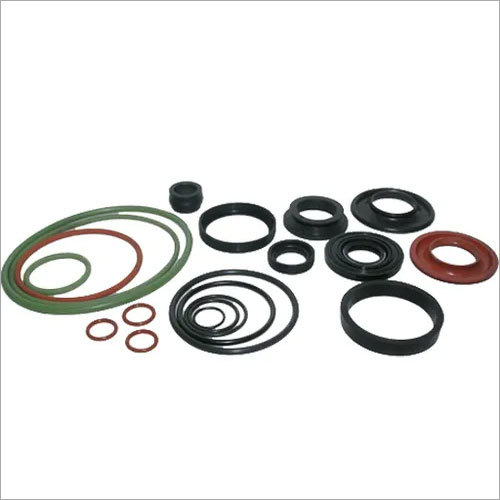
Tell us about your requirement

Price:
Quantity
Select Unit
- 50
- 100
- 200
- 250
- 500
- 1000+
Additional detail
Mobile number
Email

More Products in Sealing Material Category
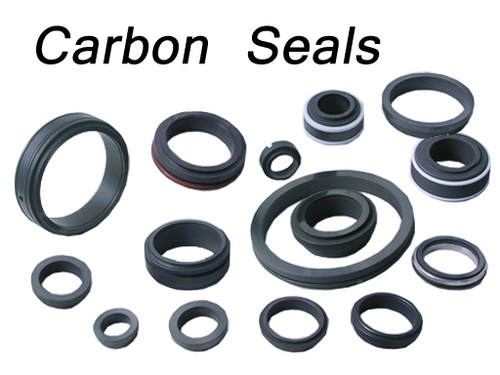
Carbon Seals
Minimum Order Quantity : 50 Inches
Components : Solid or resinimpregnated carbon
Size : Standard and customized sizes
Length : Custom cut
Surface Finish : Fine ground
Resistance level : High resistance to chemicals and heat
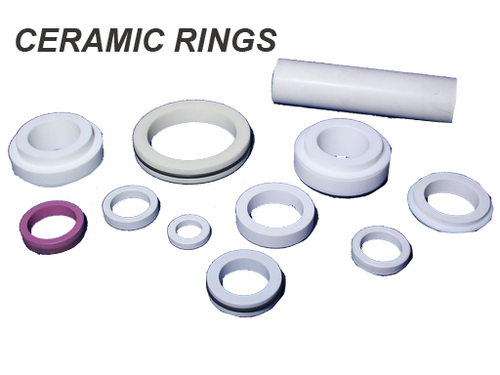
Ceramic Rings
Minimum Order Quantity : 50 Inches
Components : Ceramic
Size : Varies from 6 mm to 25 mm diameter
Length : 6 mm, 8 mm, 16 mm, or per specification
Surface Finish : Porous, rough
Resistance level : Acid and alkali resistant
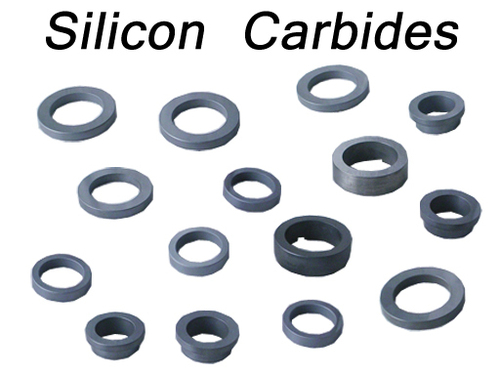
Silicon Carbide Seals
Minimum Order Quantity : 50 Inches
Components : Silicon carbide ring, optional composite with secondary materials for improved properties
Size : Standard and customized sizes available
Length : As per product design / requirement
Surface Finish : Fine lapped, Ra 0.02 m
Resistance level : High chemical and thermal resistance
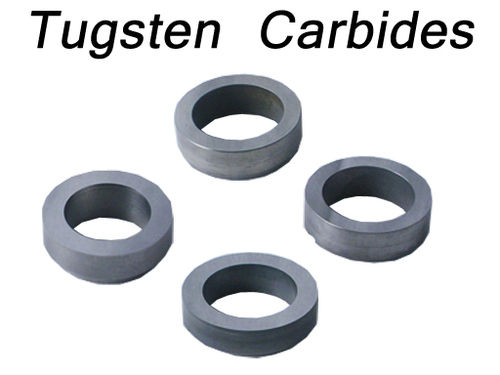
Tungsten Carbide Seal Ring
Minimum Order Quantity : 50 Inches
Components : OnePiece
Size : Customized as per requirement
Length : As per drawing
Surface Finish : Polished
Resistance level : Excellent to abrasion and corrosion

 Send Inquiry
Our Products


D/1, Chinaibag Industrial Estate, Opp. Dudheshwar, Ahmedabad - 380004, Gujarat, India

Mr Maksood B Desai
(Partner)
Mobile :07971459289
 Send Inquiry
 Send SMS
 Call Me Free
Developed and Managed by Infocom Network Private Limited.


 English
 Spanish
 French
 German
 Italian
 Chinese (Simplified)
 Japanese
 Korean
 Arabic
 Portuguese