
Call us now :07971459289
 Send Inquiry
 Send Inquiry
Carbon Seals
MOQ : 50 Inches
Carbon Seals Specification
- Flame Resistance Level
- Self-extinguishing/Non-flammable
- Length
- Custom cut
- Material
- Carbon / Graphite
- Part Type
- Seal (static or dynamic)
- Nitrogen Content (%)
- < 0.15%
- Thermal Conductivity
- High (70 - 130 W/mK typical)
- Weight
- As per size
- Tensile Strength
- 80-100 MPa (typical)
- Diameter
- Up to 500 mm or as specified
- Natural Rubber
- Yes
- Product Type
- Carbon Seals
- Water Absorption
- <0.5%
- Volatile Matter (%)
- < 1.0%
- Resistance level
- High resistance to chemicals and heat
- Feature
- High thermal conductivity, corrosion resistance, and chemical stability
- Width
- Customizable as per requirement
- Ash %
- < 2.0%
- Density
- 1.9 Gram per cubic centimeter(g/cm3)
- Surface Finish
- Fine ground
- Hardness
- Rigid
- Components
- Solid or resin-impregnated carbon
- Size
- Standard and customized sizes
- Tolerance
- +/-0.01 Micrometers (um)
- Compression Ratio
- 5:1 up to 10:1
- Style
- Ring, Face, Bush, Segment
- Temperature Resistance
- Up to 400C (higher with special grades)
- Color
- Black
- Usage & Applications
- Mechanical seals, rotary equipment, pumps, compressors, agitators, mixers, and sealing corrosive or high-temperature fluids.
- Thickness
- 3 to 30 mm
- OEM/ODM Support
- Available
- Electrical Conductivity
- Good (Carbon is conductive)
- Rotational Speed Limit
- Up to 25 m/s (varies by grade)
- Compatibility
- Compatible with most acids, alkalis, and solvents
- Packaging
- Standard export or according to customer specification
- Flexural Strength
- 35-45 MPa
- Manufacturing Process
- Extruded or pressed and graphitized
- Porosity
- Low, typically less than 12%
- Lubrication
- Self-lubricating properties
- Service Life
- Extended under proper operating conditions
Carbon Seals Trade Information
- Minimum Order Quantity
- 50 Inches
- Supply Ability
- 100 Inches Per Day
- Delivery Time
- 7 Days
About Carbon Seals
With optimum capability and rich industry expertise, we have been able to emerge as a trusted manufacturer and supplier of Carbon Seals. These seals are known for broad range of service temperatures, good dynamic load bearing and strength properties. We manufacture these seals using superior grade materials, sourced from trusted vendors. Carbon Seals can be used in extreme high temperatures for extended periods of time. We make available these seals for clients in different sizes and thickness as per their requirements.
Unmatched Mechanical and Chemical Performance
Carbon seals feature a blend of strength and chemical resilience due to their fine graphite structure, low porosity, and high density. These properties enable reliable operation under exposure to corrosive and high-temperature fluids, making them an essential choice for sealing systems in various industrial environments.
Versatile Applications Across Industries
Designed for rigorous conditions, carbon seals are widely incorporated in pumps, compressors, agitators, and rotary equipment where sealing and containment of fluids is critical. Their compatibility with acids, alkalis, and solvents, coupled with multiple design options (ring, face, bush, segment), supports diverse application needs.
Quality Manufacturing with Flexible Customization
Through advanced extrusion, pressing, and graphitization processes, carbon seals achieve excellent surface finish, precision, and mechanical strength. Both standard and customized shapes, sizes, and packaging are offered to accommodate unique operational requirements for global clients.
FAQ's of Carbon Seals:
Q: How are carbon seals manufactured for optimal strength and low porosity?
A: Carbon seals are extruded or pressed and then graphitized, producing a dense, rigid structure with porosity typically less than 12%. This ensures high flexural and tensile strength and extends their service life in demanding applications.Q: What industries and equipment benefit most from using carbon seals?
A: Industries such as chemical processing, water treatment, oil and gas, and power generation often use carbon seals in pumps, compressors, rotary equipment, mixers, and agitators, especially for sealing high-temperature or corrosive fluids.Q: When should I consider using carbon seals over other sealing materials?
A: Carbon seals are ideal when your application demands high heat resistance (up to 400C), chemical compatibility, low friction due to self-lubrication, and enduring performance under high rotational speeds (up to 25 m/s depending on grade).Q: Where are carbon seals typically installed within mechanical systems?
A: Carbon seals are commonly used in sealing assemblies of rotary shafts, pump housings, compressor chambers, and agitator units, particularly where robust sealing against corrosive or high-temperature fluids is critical.Q: What is the process for customizing the size and style of carbon seals?
A: Custom carbon seals can be manufactured according to client specifications-such as diameter up to 500 mm, width, and thickness (3 to 30 mm), as well as style (ring, face, bush, segment). OEM/ODM options and packaging requirements are supported to meet diverse application needs.Q: How do the properties of carbon seals improve equipment performance?
A: The combination of low porosity, high thermal conductivity, self-lubrication, and chemical resistance minimizes wear, reduces leakage, and increases service intervals, resulting in extended operational lifespan and reduced maintenance costs.Q: What are the main benefits of choosing carbon seals from a reputable exporter in India?
A: Partnering with a reliable Indian manufacturer ensures access to high-quality, rigorously tested carbon seals with standard or custom options, competitive pricing, and adherence to international export standards for timely global delivery.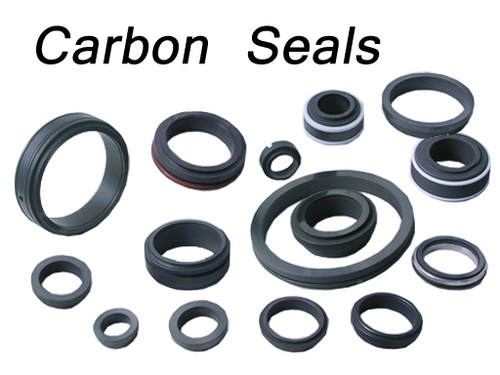
Tell us about your requirement

Price:
Quantity
Select Unit
- 50
- 100
- 200
- 250
- 500
- 1000+
Additional detail
Mobile number
Email

More Products in Sealing Material Category
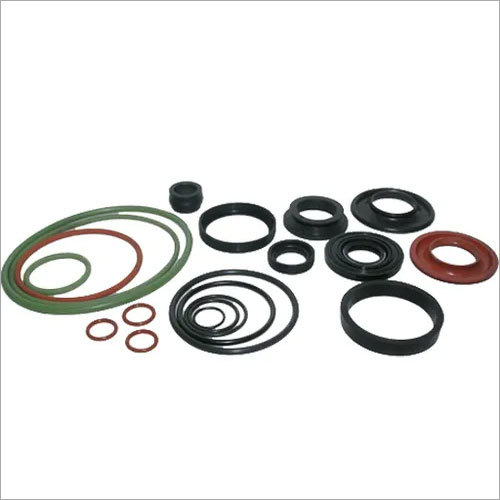
Rubber Seals
Minimum Order Quantity : 50 Inches
Part Type : Sealing component
Length : Up to 2 meters or custom cut
Material : EPDM, Nitrile Rubber, Silicone, Neoprene, Natural Rubber, Viton
Flame Resistance Level : On request, as per UL94V0 or similar standards
Weight : Varies with size and shape
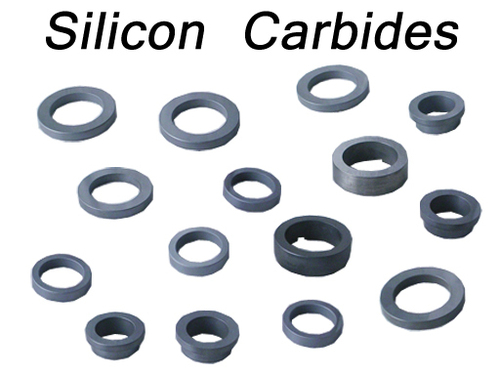
Silicon Carbide Seals
Minimum Order Quantity : 50 Inches
Part Type : Seal ring / Seal face
Length : As per product design / requirement
Material : Silicon carbide (SiC)
Flame Resistance Level : Nonflammable
Weight : Varies by size and geometry
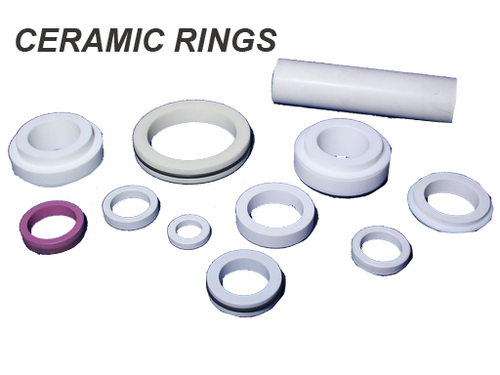
Ceramic Rings
Minimum Order Quantity : 50 Inches
Part Type : Filter media / packing
Length : 6 mm, 8 mm, 16 mm, or per specification
Material : High purity ceramic (alumina or similar)
Flame Resistance Level : Nonflammable
Weight : Depends on size; approx. 0.52.5g per ring
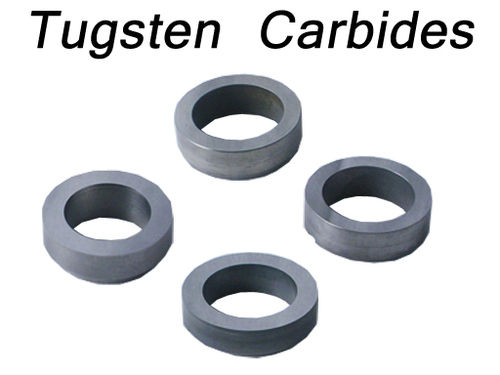
Tungsten Carbide Seal Ring
Minimum Order Quantity : 50 Inches
Part Type : Ring
Length : As per drawing
Material : Tungsten Carbide
Flame Resistance Level : Nonflammable
Weight : Depends on dimensions

 Send Inquiry
Our Products


D/1, Chinaibag Industrial Estate, Opp. Dudheshwar, Ahmedabad - 380004, Gujarat, India

Mr Maksood B Desai
(Partner)
Mobile :07971459289
 Send Inquiry
 Send SMS
Developed and Managed by Infocom Network Private Limited.


 English
 Spanish
 French
 German
 Italian
 Chinese (Simplified)
 Japanese
 Korean
 Arabic
 Portuguese