
Call us now :07971459289
 Send Inquiry
 Send Inquiry
PTFE Mechanical Component
MOQ : 1 Piece
PTFE Mechanical Component Specification
- Usage
- Industrial
- Material
- PTFE
- Application
- Industrial machinery, chemical processing, electrical insulation, food processing equipment, pharmaceutical components, and mechanical sealing applications
- Chemical Composition
- Polytetrafluoroethylene (C2F4)n
- Shape
- Round
- Product Type
- PTFE Mechanical Component
- Hardness
- 50-62 Shore D
- Color
- White
- Density
- 2.2 Gram per cubic centimeter(g/cm3)
- Flammability Rating
- V-0 (self-extinguishing)
- Thermal Conductivity
- 0.25 W/mK
- Color
- White
- Tensile Strength
- 10-28 MPa
- Electrical Resistivity
- >10^18 cm
- Temperature Resistance
- -200C to +260C
- Elongation at Break
- 200-500%
- Water Absorption
- <0.01% (24 hrs)
- Coefficient of Friction
- 0.04-0.10
PTFE Mechanical Component Trade Information
- Minimum Order Quantity
- 1 Piece
- Supply Ability
- 1000 Pieces Per Week
- Delivery Time
- 15 Days
About PTFE Mechanical Component
Owing to our state-of-art manufacturing unit and the usage of leading-edge technology, we are able to present a comprehensive range of PTFE Mechanical Component. Keeping in mind current market development, these products are designed by our skilled professionals employing premium quality PTFE and modernize tools. Apart from this, our quality experts perform a series of quality test on the entire range ensuring its flawlessness.
Features:
- Precise dimensions
- Easy installation
- Smooth edges
Exceptional Performance in Extreme Conditions
PTFE mechanical components are engineered to operate reliably from -200C to +260C, making them suitable for applications facing extreme temperatures. Its low thermal conductivity and excellent chemical resistance ensure protection and longevity under harsh conditions, whether in industrial or processing environments.
Versatile Applications Across Multiple Industries
Designed for use in industrial machinery, chemical processing, food processing equipment, and pharmaceutical components, these PTFE parts bring invaluable chemical inertness, safety, and regulatory compliance. Their high electrical resistivity also makes them an effective choice for electrical insulation and mechanical sealing.
Advanced Properties for Reliable Operations
These round PTFE components exhibit a low coefficient of friction and high tensile strength, ensuring minimal wear and extended service life in moving or sealing parts. Their self-extinguishing nature and low water absorption further increase reliability for critical applications.
FAQ's of PTFE Mechanical Component:
Q: How is a PTFE mechanical component used in industrial machinery?
A: PTFE mechanical components serve as seals, gaskets, bearings, and insulation parts in industrial machinery. Their low friction, high-temperature resistance, and chemical inertness make them essential for reducing wear and ensuring smooth, safe machine operation.Q: What are the main benefits of using PTFE components in food and pharmaceutical applications?
A: PTFE's non-reactive, chemically resistant surface and low water absorption prevent contamination and ensure product purity. As a result, it complies with stringent hygiene standards, making it ideal for food processing equipment and pharmaceutical components.Q: When should PTFE mechanical parts be selected over other polymers?
A: PTFE should be chosen when applications demand superior temperature resistance (-200C to +260C), exceptional chemical resistance, high electrical resistivity, and a self-extinguishing flammability rating. These features make it ideal for challenging conditions where conventional plastics might fail.Q: Where can PTFE mechanical components be installed within processing systems?
A: These components can be found in valves, pumps, pipe linings, electrical panels, and anywhere sealing, insulation, or non-stick properties are crucial. Their versatility extends across manufacturing, chemical plants, and sensitive processing environments.Q: What is the process of manufacturing PTFE mechanical components?
A: PTFE components are typically produced by compression molding, followed by sintering-a high-temperature process that consolidates the material. Final rounds of machining give each component precise dimensions and the required surface finish.Q: How does the low coefficient of friction in PTFE benefit industrial applications?
A: PTFE's low coefficient (0.04-0.10) minimizes friction, reducing energy loss and the need for lubricants. This extends equipment life and improves operating efficiency, which is especially beneficial in moving parts or assemblies exposed to abrasive conditions.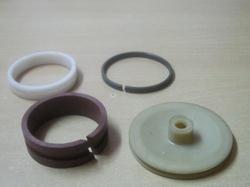
Tell us about your requirement

Price:
Quantity
Select Unit
- 50
- 100
- 200
- 250
- 500
- 1000+
Additional detail
Mobile number
Email

More Products in Mechanical Carbon products Category
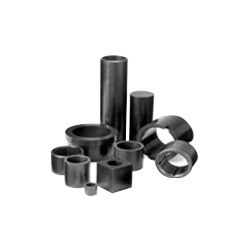
Carbon Bushes And Bearings
Minimum Order Quantity : 1 Piece
Density : 1.72.20 Gram per cubic centimeter(g/cm3)
Product Type : Carbon Bushes And Bearings
Material : Carbon
Usage : Industrial
Color : Black
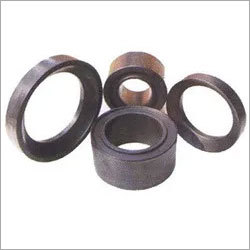
Steam Joint Rings
Minimum Order Quantity : 1 Kilograms
Density : 1.52185 Gram per cubic centimeter(g/cm3)
Product Type : Steam Joint Rings
Material : Carbon
Usage : Industrial
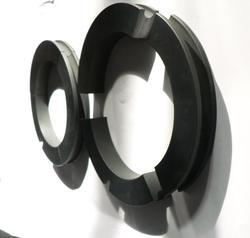
Carbon Seal Rings
Minimum Order Quantity : 1 Piece
Density : 1.5 2.3 Gram per cubic centimeter(g/cm3)
Product Type : Carbon Seal Rings
Material : Carbon
Usage : Industrial
Color : Black
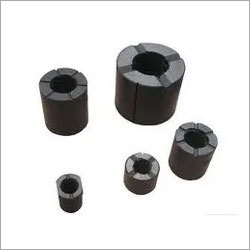
Carbon Graphite Bearing
Minimum Order Quantity : 1 Piece
Density : 1.751.91 Gram per cubic centimeter(g/cm3)
Product Type : Carbon Graphite Bearing
Material : Carbon
Usage : Industrial
Color : Black

 Send Inquiry
Our Products


D/1, Chinaibag Industrial Estate, Opp. Dudheshwar, Ahmedabad - 380004, Gujarat, India

Mr Maksood B Desai
(Partner)
Mobile :07971459289
 Send Inquiry
 Send SMS
Developed and Managed by Infocom Network Private Limited.


 English
 Spanish
 French
 German
 Italian
 Chinese (Simplified)
 Japanese
 Korean
 Arabic
 Portuguese