
Call us now :07971459289
 Send Inquiry
 Send Inquiry
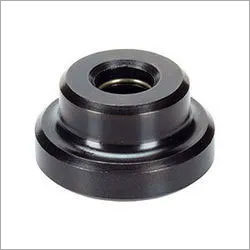
Steam Joint Rings
MOQ : 1 Kilograms
Steam Joint Rings Specification
- Usage
- Industrial
- Material
- Carbon
- Application
- High-pressure steam joints, rotary joints, mechanical seals
- Chemical Composition
- Iron, Carbon, Chromium (if stainless steel), Manganese
- Shape
- Ring Shaped
- Product Type
- Steam Joint Rings
- Hardness
- HRC 35-55 (depending on material)
- Density
- 1.52-185 Gram per cubic centimeter(g/cm3)
- Usage
- Used in rotary steam joints for leak-proof sealing
- Temperature Range
- Up to 450C (varies by material)
- Surface Finish
- Smooth, ground or lapped finish for sealing efficiency
- Pressure Rating
- Up to 50 bar or as specified
- Tolerance
- 0.01 mm
- Corrosion Resistance
- Excellent for stainless steel, moderate for carbon steel
- Diameter Range
- 25 mm to 300 mm (custom sizes available)
Steam Joint Rings Trade Information
- Minimum Order Quantity
- 1 Kilograms
- Supply Ability
- 1000 Kilograms Per Week
- Delivery Time
- 15 Days
About Steam Joint Rings
We have become a dominant player in the market of manufacturing and supplying Steam Joint Rings. These are used for sealing steam, hot water or heating oil feeds to rotating cylinders or drums. At our sound production unit, we manufacture these rings using high quality materials. These are round or torus shaped seals, designed to prevent the passing of steam. We use finest quality silicone rubber, sourced from trusted vendors to manufacture these rings. They are chemically inert to attack by most chemicals and acids except alkali metals. Steam Joint Rings are utilized for sealing purposes in electrical, automotive, aerospace and chemical industry. Clients can avail our rings in different sizes and specifications as to suit their requirements.
Applications:
- For sealing steam, hot water or heating oil feeds to rotating cylinders or drums
- Textile
- Rubber
- Sugar
- Food processing
- Paper industry
Product details
|
Ash Content |
0.2-0.3% |
|
Material |
Carbon |
|
Shape |
Ring Shaped |
|
Compressive Strength |
35-100Mpa |
|
Bulk Density |
1.52-185g/cm3 |
Exceptional Sealing and Durability
Featuring a meticulously ground or lapped finish, these steam joint rings ensure a reliable seal even under high temperatures (up to 450C) and pressures (up to 50 bar). Their robust structure and hardness, tailored by material selection, make them ideal for demanding industrial operations.
Broad Material and Size Capabilities
Produced using both carbon and stainless steel, these rings accommodate a variety of industrial requirements. The available diameter range spans from 25 mm to 300 mm, with additional customization options for unique applications. This ensures precise fitment and performance across diverse systems.
Engineered for Industrial Efficiency
With a tight manufacturing tolerance of 0.01 mm and exceptional corrosion resistance in stainless steel variants, these steam joint rings deliver longevity and operational stability. Their chemical composition provides balance between durability and sealing efficiency, meeting the high standards required by exporters, importers, and manufacturers.
FAQ's of Steam Joint Rings:
Q: How is a steam joint ring installed in high-pressure applications?
A: Steam joint rings are typically fitted into grooves or seats within rotary or stationary unions. Installation requires accurate alignment, ensuring the smooth or lapped finish is positioned securely to optimize sealing against leaks under high pressure and temperature conditions.Q: What materials are available for steam joint rings and how do they impact performance?
A: These rings are manufactured using carbon steel or stainless steel. Stainless steel offers superior corrosion resistance, making it suitable for more aggressive environments, whereas carbon steel provides moderate resistance and is used where such protection is not critical.Q: When should I choose a custom size for a steam joint ring?
A: Custom sizes are recommended when standard diameter ranges (25 mm to 300 mm) do not fit the specifications of specialized equipment or unique sealing requirements. Providing precise measurements ensures optimal sealing and equipment compatibility.Q: Where are steam joint rings primarily used?
A: Steam joint rings are widely used in industrial settings, such as in high-pressure steam joints, rotary joints, mechanical seals, and other applications requiring reliable sealing performance under challenging operational conditions.Q: What process is used to achieve the smooth or lapped finish on steam joint rings?
A: The finishing process involves fine grinding and lapping, which produces a highly smooth surface. This enhances sealing efficiency by minimizing leakage paths and ensuring a close metal-to-metal fit for effective operation.Q: How does the chemical composition affect the hardness and durability of steam joint rings?
A: The presence of iron, carbon, and elements like chromium and manganese influences the ring's hardness (HRC 35-55) and resistance to wear and corrosion. Stainless steel rings, in particular, benefit from added chromium, increasing both durability and lifespan.Q: What are the main benefits of using high-tolerance, lapped-finish steam joint rings?
A: Key benefits include improved sealing efficiency, extended service life, reduced maintenance requirements, and the ability to withstand harsh operating environments, making them highly reliable for critical industrial applications.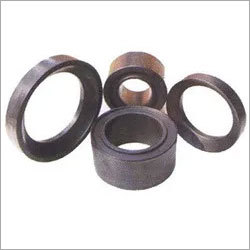
Tell us about your requirement

Price:
Quantity
Select Unit
- 50
- 100
- 200
- 250
- 500
- 1000+
Additional detail
Mobile number
Email

More Products in Mechanical Carbon products Category
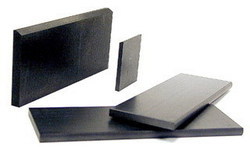
Carbon Vane
Price 2000 INR / Piece
Minimum Order Quantity : 1 Piece
Color : Black
Shape : Rectangular / Flat Plate
Material : Carbon
Usage : Industrial
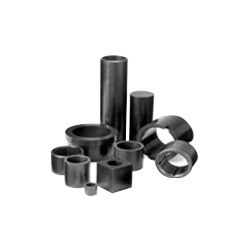
Carbon Bushes And Bearings
Minimum Order Quantity : 1 Piece
Color : Black
Shape : Cylindrical bush, sleeve
Material : Carbon
Usage : Industrial
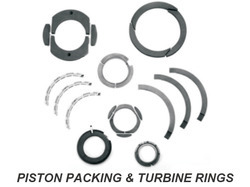
Piston Packing & Turbine Rings
Minimum Order Quantity : 1 Pack
Color : Black
Shape : Round
Material : Carbon
Usage : Industrial
Thrust Pads
Minimum Order Quantity : 1 Piece
Color : Sliver
Shape : Round / Circular
Material : Carbon
Usage : Industrial

 Send Inquiry
Our Products


D/1, Chinaibag Industrial Estate, Opp. Dudheshwar, Ahmedabad - 380004, Gujarat, India

Mr Maksood B Desai
(Partner)
Mobile :07971459289
 Send Inquiry
 Send SMS
 Call Me Free
Developed and Managed by Infocom Network Private Limited.


 English
 Spanish
 French
 German
 Italian
 Chinese (Simplified)
 Japanese
 Korean
 Arabic
 Portuguese