
Call us now :07971459289
 Send Inquiry
 Send Inquiry
PTFE Rotary Shaft Seal
Price 800 INR/ Set
MOQ : 1 , , Set
PTFE Rotary Shaft Seal Specification
- Application
- Automotive, industrial machinery, food processing, and chemical pumps
- Hardness
- 55-65 Shore D
- Theory
- Contact sealing through PTFE lip and garter spring
- Usage
- Industrial
- Style
- Rotary seal with spring element
- Material
- PTFE
- Temperature
- 20-120 Celsius (oC)
- Product Type
- Rotary Shaft Seal
- Pressure
- Up to 3 bar
- Speed
- Up to 30 m/s
- Function
- Rotary shaft sealing
- Color
- Sliver
- Size
- Customized; standard range available
- Structure
- Single lip with metal casing and spring
- Wear Resistance
- Very high; suitable for long service life
- Shaft Surface Roughness
- Ra 0.2 - 0.8 m
- Media Compatibility
- Water, oil, gas, and various chemicals
- Installation Method
- Press fit or molded
- Seal Type
- Single or double acting
- Color
- White, black, or as per specification
- Friction Coefficient
- Low, suitable for high-speed rotation
- Backing Material
- Stainless steel or carbon steel casing
- Elastic Element
- Stainless steel garter spring or custom
- Chemical Resistance
- Excellent, including against most oils, fuels, and aggressive chemicals
PTFE Rotary Shaft Seal Trade Information
- Minimum Order Quantity
- 1 , , Set
- Payment Terms
- Cheque, Cash in Advance (CID), Cash Advance (CA)
- Delivery Time
- Week
- Main Domestic Market
- All India
About PTFE Rotary Shaft Seal
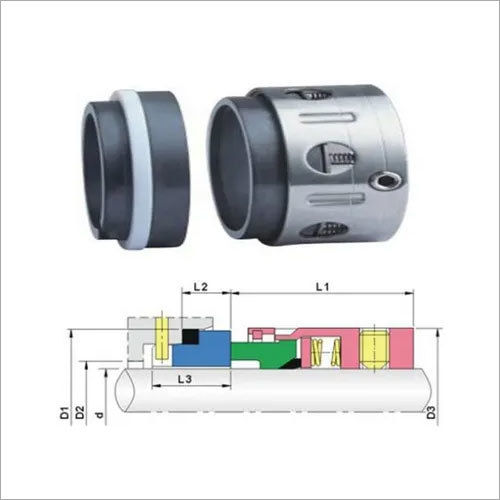
PTFE Mechanical Seal
Operations Conditions:
-
Temperature:-20 C to +120 C
- Pressure:=0.5MPa
- Speed:=10m/s
Materials:
- Stationary Ring: Silicon Carbide Reaction Bonded,Ceramic(Alumina)
- Rotary Ring: PTFE, Silicon Carbide Reaction Bonded
- Secondary Seal: PTFE
- Spring and Metal Parts: Stainless Steel, Stainless Steel
- Applications: Sulfuric acid, hydrocarbon acid, phosphoric acid, acetic acid, and nitric acid
- With various degrees,etc.
Product details
|
Applications |
Sulfuric acid, hydrocarbon acid, phosphoric acid, acetic acid, and nitric acid With various degrees |
|
Brand |
Makseals |
|
Model Name/Number |
MAK120R |
|
Shape |
Round |
|
Temperature |
-20 Degree C to +120 Degree C |
|
Pressure |
0.5Mpa |
|
Speed |
10m/s |
Superior Chemical Resistance
This rotary shaft seal boasts outstanding resilience against a wide spectrum of chemicals, oils, and fuels. The PTFE material ensures the seal maintains integrity and performance in aggressive industrial environments, such as chemical processing or automotive applications.
Engineered for High-Speed Performance
With a remarkably low friction coefficient, this seal is optimized for high-speed rotary applications, achieving operational speeds up to 30 m/s. The robust structure and advanced materials guarantee reliable sealing, even at rapid rotations and fluctuating pressures.
Lasting Durability and Wear Resistance
Engineered for longevity, the PTFE Rotary Shaft Seal features a combination of a stainless steel garter spring and backing material, conferring superior wear resistance. This design ensures a longer service life, reducing maintenance needs and operational downtime.
FAQ's of PTFE Rotary Shaft Seal:
Q: How does the PTFE Rotary Shaft Seal provide exceptional chemical resistance?
A: The PTFE (Polytetrafluoroethylene) material used in the rotary shaft seal inherently resists a wide range of aggressive chemicals, including most oils, fuels, acids, and bases. This makes it ideal for machinery that encounters harsh media on a regular basis.Q: What are the recommended applications for this rotary shaft seal?
A: This seal is suitable for diverse applications, including automotive components, industrial machinery, food processing equipment, and chemical pumps. Its excellent chemical and temperature resistance make it especially advantageous in demanding environments.Q: When should I choose a PTFE Rotary Shaft Seal over conventional rubber seals?
A: Choose a PTFE Rotary Shaft Seal when your system requires resistance to chemically aggressive substances, high operating speeds (up to 30 m/s), and minimal friction. It also performs better in higher temperature applications, from 20C to 120C, compared to many rubber seals.Q: Where is this seal typically installed, and what installation methods are available?
A: The PTFE Rotary Shaft Seal is commonly installed in rotary equipment such as pumps, compressors, and gearboxes. Installation can be accomplished through press fitting or molding, depending on the equipment's design and operational requirements.Q: How is the sealing reliability ensured in this product's design?
A: Sealing reliability is achieved through the combination of a PTFE lip for contact sealing, a stainless steel garter spring to maintain consistent pressure, and a backing of either stainless or carbon steel for structural support. This engineered combination limits leakage and enhances lifespan.Q: What benefits does the low friction coefficient bring to machinery operation?
A: A low friction coefficient reduces heat build-up and energy loss during high-speed operation. This allows for smoother motion, less wear on both the seal and the shaft, and extended maintenance intervals, ultimately enhancing equipment efficiency.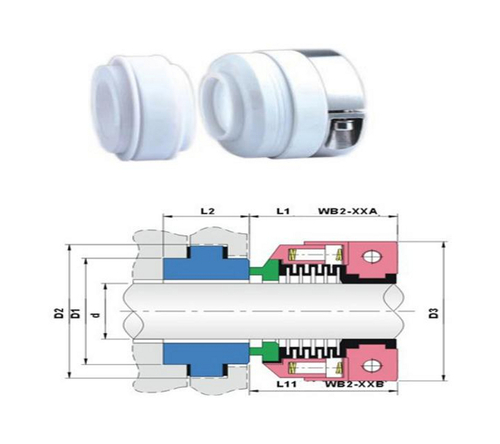
Tell us about your requirement

Price:
Quantity
Select Unit
- 50
- 100
- 200
- 250
- 500
- 1000+
Additional detail
Mobile number
Email

More Products in PTFE Seals Category
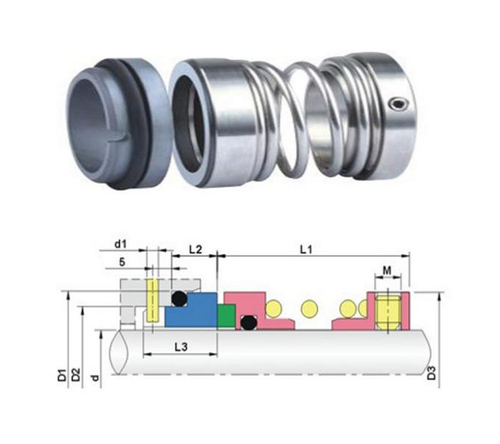
PTFE Rod Seal
Price 500 INR / Set
Minimum Order Quantity : 1 Set
Application : Hydraulic cylinders, Pneumatic cylinders, Industrial machinery
Pressure : Up to 40 MPa (400 bar)
Speed : Up to 15 m/s
Material : PTFE
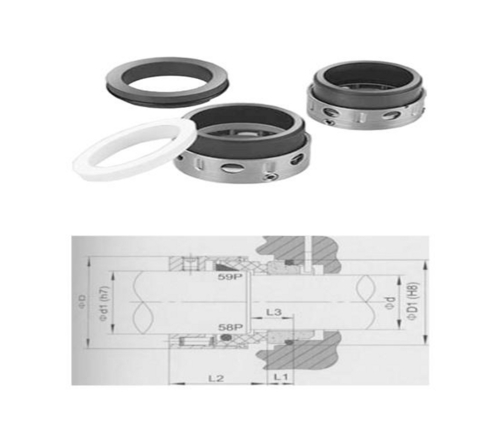
PTFE Industrial Seal
Minimum Order Quantity : 1 Piece
Application : Hydraulic and Pneumatic Systems
Pressure : Up to 20 MPa
Speed : Up to 15 m/s
Material : PTFE
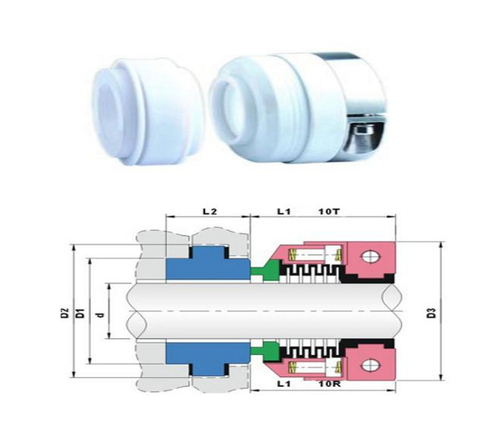
PTFE Piston Seal
Price 800 INR / Set
Minimum Order Quantity : 1 , , Set
Application : Sulfuric acid, hydrocarbon acid, phosphoric acid, acetic acid, and nitric acid With various degrees, etc.
Material : PTFE
PTFE Bellow Seal
Minimum Order Quantity : 1 , , Piece
Application : Strong corrosive fluids
Pressure : 1.2MPa mpa
Speed : 15m/s m/s
Material : PTFE

 Send Inquiry
Our Products


D/1, Chinaibag Industrial Estate, Opp. Dudheshwar, Ahmedabad - 380004, Gujarat, India

Mr Maksood B Desai
(Partner)
Mobile :07971459289
 Send Inquiry
 Send SMS
Developed and Managed by Infocom Network Private Limited.


 English
 Spanish
 French
 German
 Italian
 Chinese (Simplified)
 Japanese
 Korean
 Arabic
 Portuguese