
Call us now :07971459289
 Send Inquiry
 Send Inquiry
O Ring Seal for Pumps
MOQ : 1 Piece
O Ring Seal for Pumps Specification
- Pressure
- <1.0Mpa mpa
- Temperature
- -20oc to +180oc Celsius (oC)
- Material
- Stainless Steel
- Style
- Mechanical Seal
- Application
- Clean water, sewage water, oil and other moderately corrosive fluids
O Ring Seal for Pumps Trade Information
- Minimum Order Quantity
- 1 Piece
- Main Export Market(s)
- Middle East, Africa, Asia
- Main Domestic Market
- All India
About O Ring Seal for Pumps
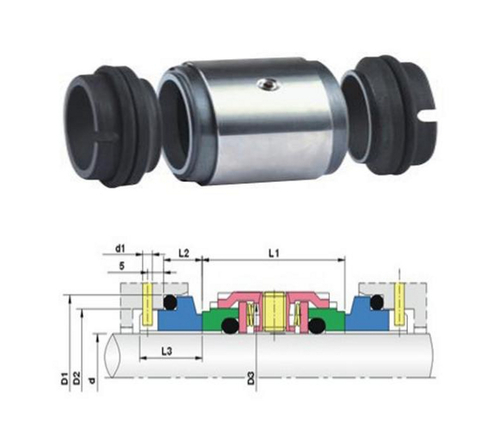
O Ring Mechanical Seal
Operational Conditions:
- Temperature: -20oC to +180oC
- Pressure: =1.0MPa
- Speed: =15m/s
Materials:
- Stationary Ring: Ceramic, Silicon Carbide, TC, Carbon
- Rotary Ring: Carbon, Silicon Carbide, Steel
- Secondary Seal: NBR, EPDM, Viton
- Spring and Metal Parts: Steel
Applications: Clean water, sewage water, oil and other moderately corrosive fluids
Product details
| Rotary Ring | Carbon, Silicon Carbide, Stainless Steel |
| Item Code | MAK53N |
| Temperature | -20 Degree C to +180 Degree C |
| Speed | 15m/s |
| Pressure | 1.0MPa |
| Stationary Ring | Ceramic, Silicon Carbide, TC, Carbon |
| Spring and Metal Parts | SS |
| Secondary Seal | NBR, EPDM, Viton |
Versatile Fluid Compatibility
The O Ring Seal is designed for use with a spectrum of fluids such as clean water, sewage water, oil, and moderately corrosive substances. Its robust construction ensures optimal sealing performance in municipal, industrial, and process applications, providing dependable operation and minimizing leakage risks even with variable fluid conditions.
Engineered for Durability
Made from premium stainless steel, the seal offers excellent resistance to corrosion and wear, ensuring a long service life. It consistently performs within a broad temperature range (-20C to +180C), making it ideal for demanding environments where both temperature and fluid properties can fluctuate.
FAQ's of O Ring Seal for Pumps:
Q: How is the O Ring Seal for Pumps installed and maintained?
A: The O Ring Seal is installed onto the pump's shaft where a mechanical seal is required. Ensure all surfaces are clean and free of debris before installation. Regular inspections for wear and timely replacement of O rings are recommended to maintain effective sealing and prevent leaks.Q: What fluids can the O Ring Seal handle effectively?
A: This seal is suitable for clean water, sewage water, oils, and other fluids that are moderately corrosive. Its stainless steel construction and optimal design allow it to manage both aggressive and non-aggressive media without compromising performance.Q: When is it necessary to replace the O Ring Seal for pumps?
A: Replacement should be considered if you notice persistent leakage, visible wear, or damage to the O ring or seal faces. Periodic maintenance checks can help determine the right timing, especially in pumps handling corrosive or abrasive fluids.Q: Where can the O Ring Seal for Pumps be used?
A: It is ideal for use in municipal water treatment plants, sewage management, oil refineries, chemical industries, and other sectors where reliable sealing of pumps is essential under moderate pressure and a temperature range of -20C to +180C.Q: What is the manufacturing process of this O Ring Seal?
A: The manufacturing process involves high-precision machining of stainless steel components, combined with assembly of quality O rings and mechanical sealing faces. Rigorous quality checks are carried out to ensure each seal meets industry standards for strength and integrity.Q: What are the main benefits of using a stainless steel O Ring Seal in pumps?
A: The primary benefits include excellent resistance to corrosion, adaptability to a wide temperature range, extended seal life, and reduced need for frequent replacement. This ensures operational safety and minimizes maintenance costs.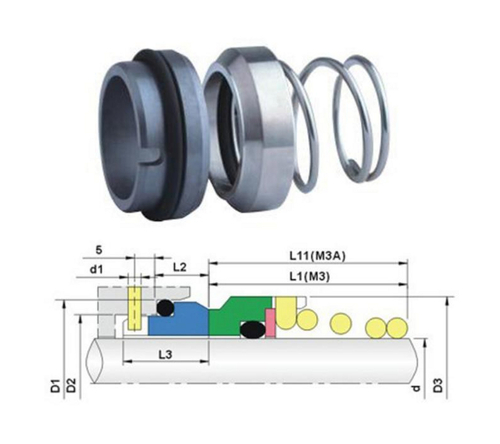
Tell us about your requirement

Price:
Quantity
Select Unit
- 50
- 100
- 200
- 250
- 500
- 1000+
Additional detail
Mobile number
Email

More Products in O-Ring Seals Category
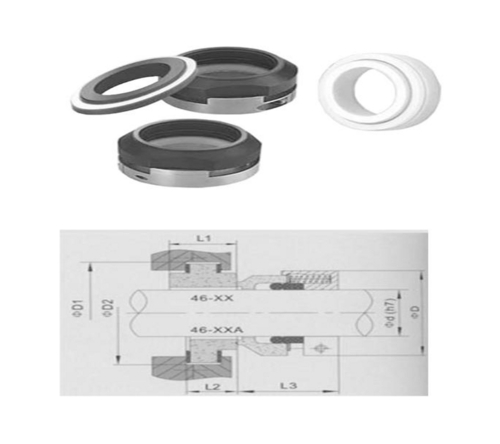
O Ring Mechanical Seal
Minimum Order Quantity : 1 ,
Product Type : O Ring Mechanical Seal
Color : Sliver
Material : Stainless Steel
Style : Other, O Ring Mechanical Seal
Usage : Industrial
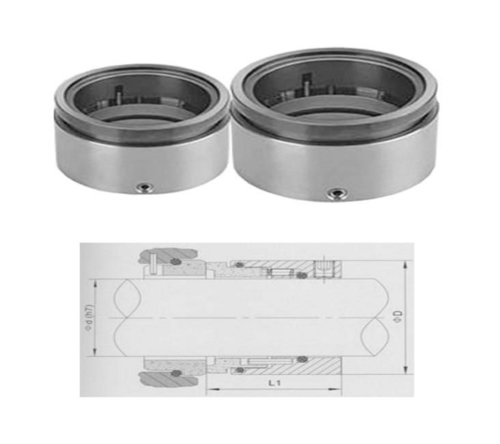
O Ring Mechanical Seal
Minimum Order Quantity : 1 , , Set
Product Type : Mechanical Seal
Color : Sliver
Material : Stainless Steel
Style : Mechanical Seal
Usage : Industrial
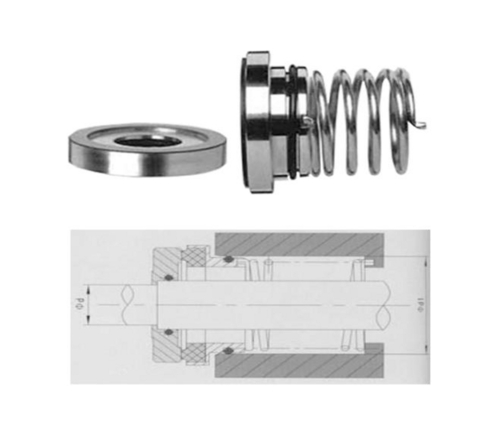
O-Ring Mechanical Seal
Minimum Order Quantity : 1 Set
Product Type : ORing Mechanical Seal
Color : Bkack, Sliver
Material : Stainless Steel
Style : O Ring
Usage : Industrial
O-Ring Mechanical Seal
Product Type : ORing Mechanical Seal
Color : Bkack, Sliver
Material : Stainless Steel
Style : O Ring
Usage : Industrial

 Send Inquiry
Our Products


D/1, Chinaibag Industrial Estate, Opp. Dudheshwar, Ahmedabad - 380004, Gujarat, India

Mr Maksood B Desai
(Partner)
Mobile :07971459289
 Send Inquiry
 Send SMS
Developed and Managed by Infocom Network Private Limited.


 English
 Spanish
 French
 German
 Italian
 Chinese (Simplified)
 Japanese
 Korean
 Arabic
 Portuguese