
Call us now :07971459289
 Send Inquiry
 Send Inquiry
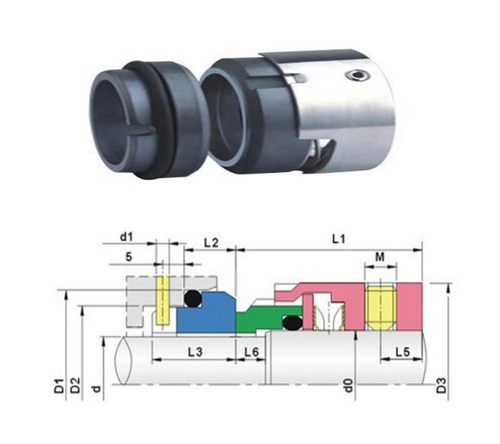
O-Ring Mechanical Seal
MOQ : 1 Piece
O-Ring Mechanical Seal Specification
- Temperature
- 20-180 Celsius (oC)
- Usage
- Industrial
- Material
- Stainless Steel
- Style
- Mechanical Seal
- Color
- Bkack, Sliver
About O-Ring Mechanical Seal
Combined Materials:
- Stationary Ring (Ceramic/SiC/TC)
- Rotary Ring (Carbon/SiC/TC)
- Secondary Seal (NBR/EPDM/Viton)
- Spring and Metal Part (Steel)
Working Conditions:
- Pumps: Water pumps, sewage pumps and chemical
- pumps, etc.
- Temperature: -20oC-180oC
- Pressure: =2.5Mpa
- Speed: = 10m/Sec
- Part# d
Product Details
|
Pressure |
2.5Mpa |
|
Usage/Application |
Water pumps, sewage pumps and chemical, pumps, etc |
|
Shape |
O Ring |
|
Brand |
Makseals |
|
Model Name/Number |
MAK42N |
|
Temperature |
-20 Degree C to 180 Degree C |
|
Speed |
10m/s |

Exceptional Temperature Endurance
With an operating range of -20C to 180C, our O-Ring Mechanical Seal maintains its reliability under extreme temperature fluctuations, meeting the rigorous demands of industrial environments. The seal's materials are selected to provide optimal performance, even in applications where temperatures may rapidly change or sustain extremes.
Trusted Stainless Steel Construction
Engineered from high-grade stainless steel, this mechanical seal delivers superior resistance to corrosion, wear, and chemical exposure. Its robust build is suitable for a variety of fluids and industrial chemicals, ensuring a long operational life for your equipment and minimizing maintenance frequency.
FAQ's of O-Ring Mechanical Seal:
Q: How is the O-Ring Mechanical Seal installed in industrial equipment?
A: The O-Ring Mechanical Seal is typically fitted into the pump or compressor housing where the rotating shaft meets the stationary part. Installation involves carefully positioning the seal to ensure correct alignment, followed by securing it using standard gland plates or retainer rings, as per equipment specifications.Q: What types of industrial systems can use this O-Ring Mechanical Seal?
A: This seal is suitable for a wide range of industrial applications, including pumps, compressors, agitators, and mixers. Its temperature and chemical resistance make it a preferred choice in chemical processing, water treatment plants, food processing industries, and HVAC systems.Q: When should the mechanical seal be replaced?
A: Replacement is recommended when you observe leaks, excessive noise, increased vibration, or reduced machinery efficiency. Regular inspections are advisable, especially if the operating conditions involve high temperatures or aggressive chemicals, to prevent unplanned downtime.Q: Where is this mechanical seal manufactured and supplied from?
A: We manufacture and supply the O-Ring Mechanical Seal from our facilities in India, serving both domestic customers and international markets as a trusted exporter, importer, and supplier.Q: What is the process for ordering O-Ring Mechanical Seals in bulk?
A: Ordering in bulk is simple-reach out to our sales team with your specific requirements, including dimensions, quantity, and any customization needs. We will provide quotations, lead times, and shipping details tailored to your order.Q: How does using a stainless steel mechanical seal benefit industrial operations?
A: Stainless steel ensures exceptional resistance to corrosion and nasty chemicals, extending the lifetime of both the seal and the machinery. This durability translates to fewer maintenance intervals, lower replacement costs, and minimized risk of leaks or machinery breakdowns.Q: What makes the black and silver color significant?
A: The black and silver colors typically denote the materials used, with black representing the O-ring/secondary seal and silver for the stainless steel components. This combination provides clear identification for maintenance personnel and assures compatibility with industrial standards.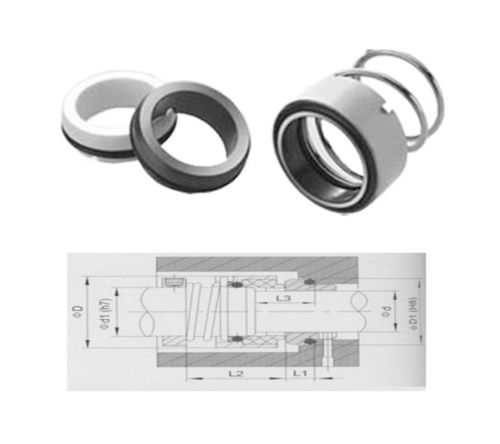
Tell us about your requirement

Price:
Quantity
Select Unit
- 50
- 100
- 200
- 250
- 500
- 1000+
Additional detail
Mobile number
Email

More Products in O-Ring Seals Category
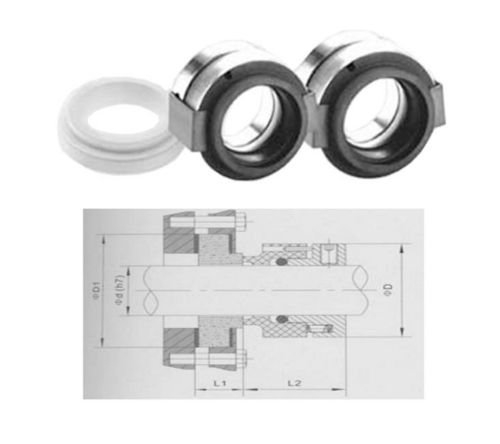
O Ring Mechanical Seal
Minimum Order Quantity : 1 , , Set
Usage : Industrial
Product Type : O Ring Mechanical Seal
Material : Stainless Steel
Color : Sliver
Style : O Ring
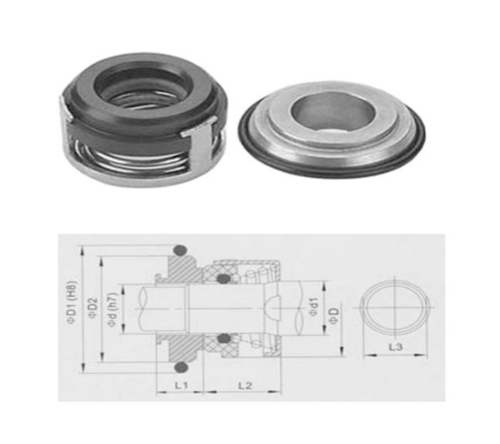
O-Ring Mechanical Seal
Usage : Industrial
Product Type : ORing Mechanical Seal
Material : Stainless Steel
Color : Sliver
Style : Mechanical Seal
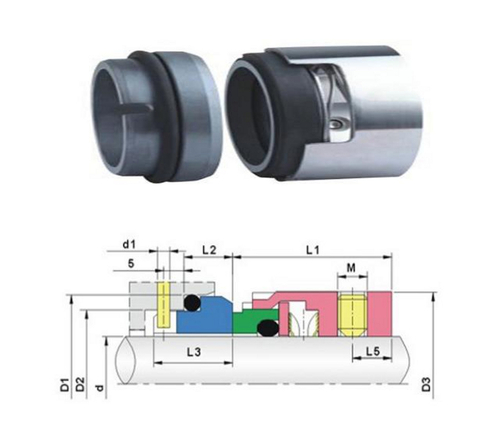
O Ring Mechanical Seal
Minimum Order Quantity : 6 Sets
Usage : Industrial
Product Type : O Ring Mechanical Seal
Material : Stainless Steel
Color : Sliver
Style : Mechanical Seal
O-Ring Mechanical Seal
Usage : Industrial
Product Type : ORing Mechanical Seal
Material : Stainless Steel
Color : Black and Sliver
Style : O Ring

 Send Inquiry
Our Products


D/1, Chinaibag Industrial Estate, Opp. Dudheshwar, Ahmedabad - 380004, Gujarat, India

Mr Maksood B Desai
(Partner)
Mobile :07971459289
 Send Inquiry
 Send SMS
Developed and Managed by Infocom Network Private Limited.


 English
 Spanish
 French
 German
 Italian
 Chinese (Simplified)
 Japanese
 Korean
 Arabic
 Portuguese