
Call us now :07971459289
 Send Inquiry
 Send Inquiry
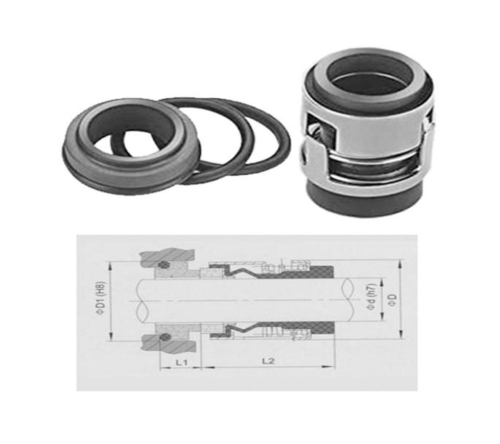
Elastomer Bellow Mechanical Seals
MOQ : 1 Piece
Elastomer Bellow Mechanical Seals Specification
- Theory
- Rotary seal, balanced mechanical operation
- Application
- Water pumps, submersible pumps, sewage pumps, chemical process pumps
- Hardness
- 60-80 Shore A (elastomer bellow)
- Style
- Bellow Seal
- Material
- PTFE
- Temperature
- 20-120 Celsius (oC)
- Product Type
- Elastomer Bellow Mechanical Seals
- Pressure
- Up to 10 bar
- Speed
- Up to 25 m/s
- Function
- Sealing rotating shafts to prevent leakage
- Color
- Sliver
- Size
- Shaft diameter 10mm to 75mm
- Structure
- Single bellow, rotary face, stationary seat
- Elastomer Options
- Nitrile, EPDM, Viton, Neoprene
- Leakage Prevention
- Reliable sealing under varying load and pressure
- Service Life
- Long service life with low maintenance
- Surface Finish
- Polished sealing faces for reduced friction
- Seal Face Options
- Carbon, Silicon Carbide, Tungsten Carbide, Ceramic
- Spring Material
- Stainless Steel 304/316
- Shaft Direction
- Bi-directional
- Corrosion Resistance
- Excellent for a wide variety of fluids
- Installation Type
- Easy to install, no need for shaft step or sleeve
About Elastomer Bellow Mechanical Seals
Elastomer Bellow Mechanical Seals
Operations Conditions:
- Temperature: -20 C to +120 C
- Pressure:=1.4MPa
- Speed:=15m/s
Materials:
- Stationary Ring: Ceramic(Alumina),Silicon Carbide Reaction Bonded, Silicon Carbide
- Sintered Pressureless, Ni-binder Tungsten Carbide, Co-binder Tungsten Carbide
- Rotary Ring: Resin Impregnated Carbon Graphite(Furan),Antimony Impreg. Carbon
- Graphite, Silicon Carbide Sintered Pressureless, Silicon Carbide Reaction Bonded,
- Co-binder Tungsten Carbide, Ni-binder Tungsten Carbide
- Secondary Seal: Nitrile(NBR),Ethylene Propylene(EPDM),Fluorocarbon Rubber(Viton)
- Spring and Metal Parts: Stainless Steel, Stainless Steel
Applications:
- Clean Water,Sewage Water,Oil and other moderately corrosive fluids.
Product details
|
Packaging Type |
Box |
|
Model Name/Number |
MAK102 |
|
Pressure |
1.4Mpa |
|
Speed |
15m/s |
|
Temperature |
-20 Degree C to 120 Degree C |
Versatile Seal Face and Elastomer Choices
Select from a range of seal face materials-Carbon, Silicon Carbide, Tungsten Carbide, and Ceramic-to perfectly match your application's requirements. Pair these with tailored elastomers like Nitrile, EPDM, Viton, or Neoprene, providing reliable resistance to a diverse array of chemicals and fluids. These combinations ensure optimal performance and extended service life, even in stringent operating conditions.
Effortless Installation and Bi-Directional Operation
Designed for ease of use, these mechanical seals require no shaft steps or sleeves, streamlining the installation process and reducing downtime. Their bi-directional design means they operate efficiently regardless of shaft rotation direction, making them suitable for various pump types like water, submersible, sewage, and chemical process pumps.
Durable, Corrosion-Resistant Design
Constructed with top-grade Stainless Steel 304/316 springs and PTFE components, the seals stand out for their corrosion resistance and stable performance in environments with challenging fluids. The high-polish finish of the sealing faces minimizes friction and wear, further enhancing longevity and reducing maintenance requirements.
FAQ's of Elastomer Bellow Mechanical Seals:
Q: How do I choose the right seal face and elastomer combination for my application?
A: The ideal seal face and elastomer depend on the chemicals, temperatures, and operating conditions in your system. For abrasive or corrosive fluids, materials like Silicon Carbide or Tungsten Carbide with Viton or EPDM elastomers are advisable, while water and non-aggressive media often suit Carbon or Ceramic faces with Nitrile.Q: What is the advantage of the bi-directional shaft design in these seals?
A: The bi-directional design allows the seal to function properly regardless of shaft rotation, making it universally applicable in pumps where direction may change or is not predetermined, enhancing installation flexibility and reducing inventory requirements.Q: When should Elastomer Bellow Mechanical Seals be used instead of conventional seals?
A: These seals are best employed when you require easy installation, dependable sealing under variable loads, reliable corrosion resistance, and long-term use with minimal maintenance, such as in water, sewage, chemical, or submersible pump applications.Q: Where can these mechanical seals be installed?
A: They are suitable for a variety of pumps, including water pumps, submersible and sewage pumps, and chemical process pumps, across numerous industries. Their broad chemical compatibility and ease of installation make them versatile for standard and critical service environments.Q: What is the installation process for these bellow seals?
A: Installation is straightforward and doesn't require shaft modifications, such as steps or sleeves. Simply place the seal onto the shaft following manufacturer guidance, ensuring correct alignment for a secure fit and optimal sealing performance.Q: How do these seals help prevent leakage and extend equipment life?
A: The combination of precision-engineered faces and robust elastomers delivers a highly reliable seal, even under fluctuating pressures and loads, greatly minimizing leakage risks and reducing the need for frequent repairs or maintenance.Q: What are the operational limits in terms of temperature, pressure, and speed?
A: These seals operate effectively in temperatures from 20C to 120C, support pressures up to 10 bar, and handle shaft speeds up to 25 meters per second, accommodating most pumping systems' requirements in industrial environments.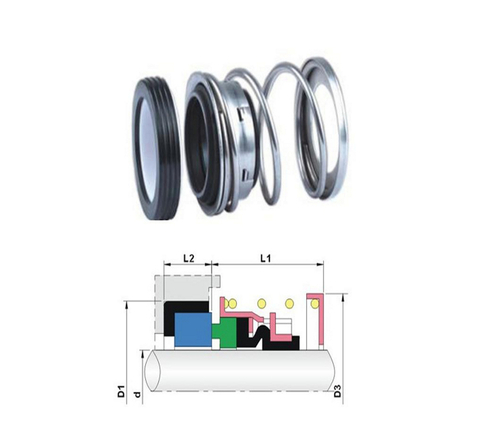
Tell us about your requirement

Price:
Quantity
Select Unit
- 50
- 100
- 200
- 250
- 500
- 1000+
Additional detail
Mobile number
Email

More Products in Elastomer Bellow Seals Category
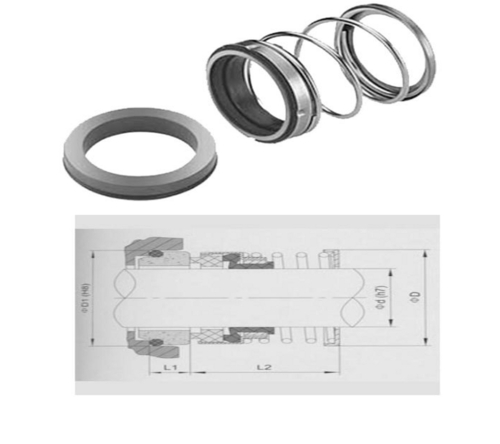
Elastomer Bellow Mechanical Seal
Minimum Order Quantity : 12 Sets
Temperature : 20120 Celsius (oC)
Material : Other, Carbon, Ceramic, Silicon Carbide, Stainless Steel, Nitrile, EPDM, Viton
Usage : Industrial
Color : Sliver
Style : Mechanical Seal
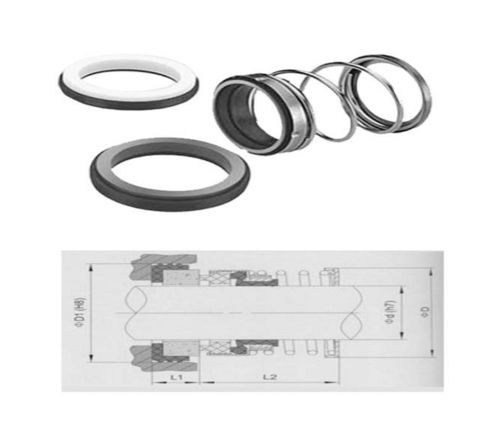
Elastomer Bellow Mechanical Seal
Minimum Order Quantity : 1 Set
Temperature : 20C to +180C
Material : Metal
Usage : Industrial
Color : Sliver
Style : Bellow Seal
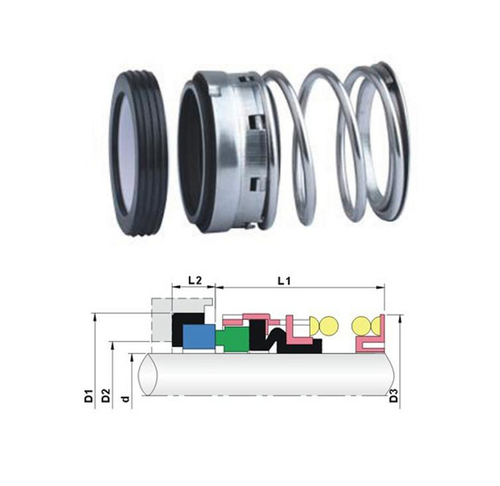
Elastomer Bellow Mechanical Seals
Minimum Order Quantity : 1 Piece
Temperature : 20120 Celsius (oC)
Material : PTFE
Usage : Industrial
Color : Sliver
Style : Other, Single Coil Spring, Unbalanced
Elastomer Bellow Mechanical Seal
Temperature : 20150 Celsius (oC)
Material : Other, SS
Usage : Industrial
Color : Grey
Style : Other, Single spring, unbalanced mechanical seal

 Send Inquiry
Our Products


D/1, Chinaibag Industrial Estate, Opp. Dudheshwar, Ahmedabad - 380004, Gujarat, India

Mr Maksood B Desai
(Partner)
Mobile :07971459289
 Send Inquiry
 Send SMS
Developed and Managed by Infocom Network Private Limited.


 English
 Spanish
 French
 German
 Italian
 Chinese (Simplified)
 Japanese
 Korean
 Arabic
 Portuguese